

Ethnographies
Ethnographic research is a qualitative methodology in which trained researchers observe and interview people in their real-world environment — homes, stores, workplaces, or wherever behavior actually happens — to uncover the unspoken needs, habits, and motivations that surveys and focus groups tend to miss.
Sometimes the truest answer isn’t the one people TELL you — it’s the one they SHOW you.
Ethnography trades the conference room for the real world, so we can see how customers actually live, shop, and decide. We believe watching beats guessing: the gap between what people say and what they do is often where the biggest brand opportunities live.
What is an ethnography?
Ethnography is all about meeting customers on their own turf and in their own moment then paying close attention to what unfolds.
Instead of asking someone to recall how they clean the kitchen, plan a renovation, or choose a healthcare provider, we watch it happen. That shift from reported behavior to observed behavior is where ethnography earns its keep, because people are famously unreliable narrators of their own habits — not because they mean to be, but because so much of what we do is automatic, emotional, or shaped by a context we forget to mention.
When should you use ethnography?
- When what people do matters more than what they say
You suspect a gap between the survey answer and the lived reality. - When context shapes the experience
The environment, the tools on hand, and the people nearby all influence the decision. - When the experience is hard to articulate
You’re exploring habits, workarounds, or emotions people can’t easily put into words. - When you’re hunting for unmet needs
You want to spot the friction and hacks that point to innovation and white space. - When you need to build empathy with internal stakeholders
You want decision-makers to feel the customer, not just read a chart about them.
How does a Finch ethnography work?
Every study is purpose-built around a path to drive from question to research design to action.
1. What decision(s) do we seek to influence?
We align on the decision the research must inform and the specific behaviors worth observing — so fieldwork stays focused on impact.
2. Recruit the right people
We recruit participants who genuinely represent the people and settings that matter to your brand, screening for behavior, not just demographics.
3. Immerse in their world
Trained researchers watch and interview participants in the moments where behavior actually happens — in-home, in-store, on the job, or on the go.
4. Capture real-time evidence
We document what we see through video, photography, field notes, and artifacts, building a vivid evidence base you can revisit.
5. Synthesize into sticky insights
We turn hours of observation into clear patterns, tensions, and opportunities — connecting what we saw to what it means for strategy.
6. Translate insights to implications
We deliver a boardroom-ready narrative that helps your team see the world through the customer’s eyes and move confidently to action.
What to expect
Scope & Specifics
Participants: 8–20 observed in their real-world context.
Session length: 1-2 hours per in-context visit.
Timeline: Roughly 4–8 weeks from kickoff to readout.
Documentation: Sessions are captured on video and photography.
Typical deliverables
- A synthesized insights report with prioritized implications and recommendations.
- Edited video and photography that bring customer moments to life.
- Behavioral frameworks, journey maps, or opportunity territories.
- A stakeholder-ready story designed to inspire action, not sit on a shelf.
Ethnography in Action
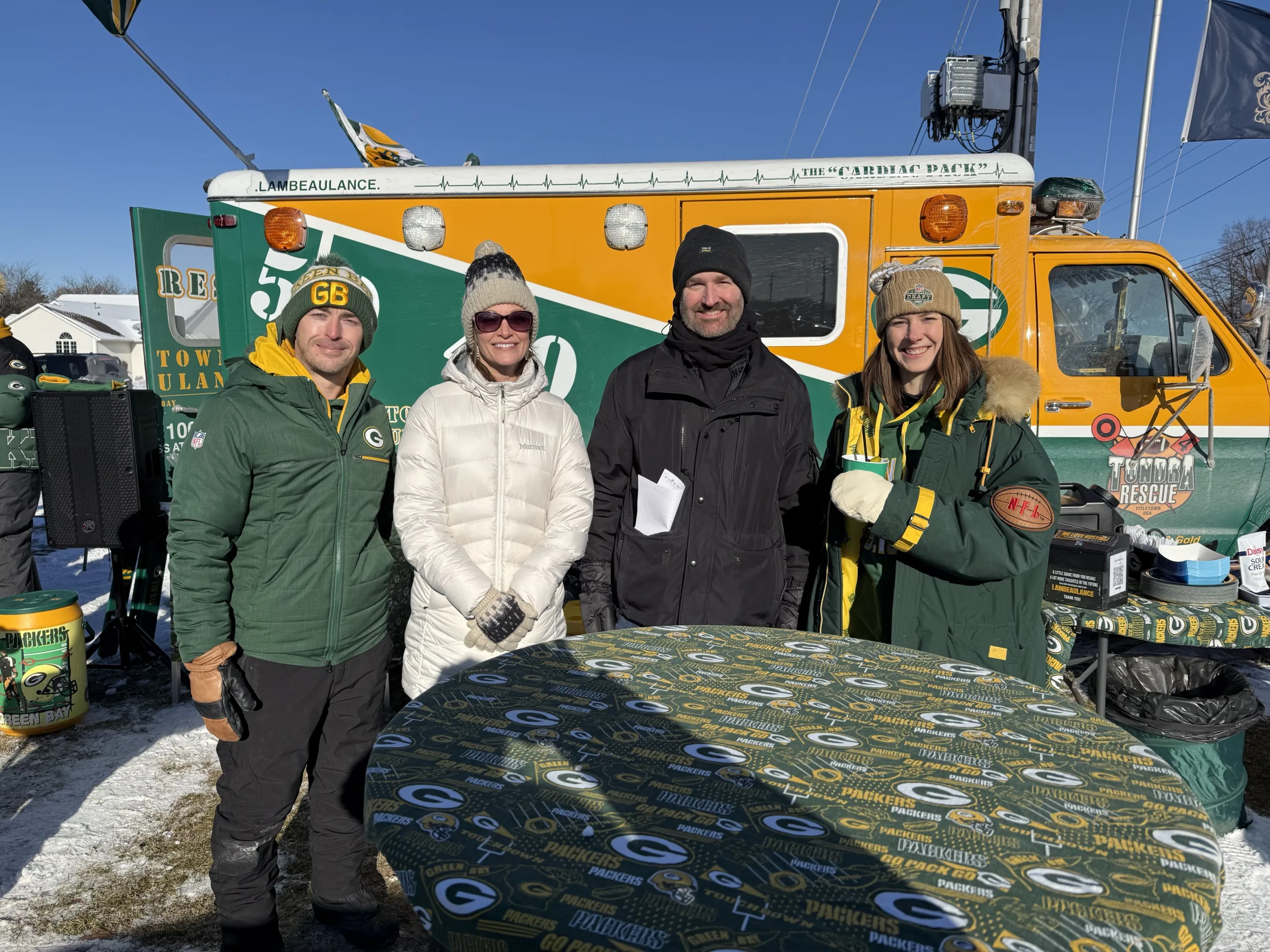
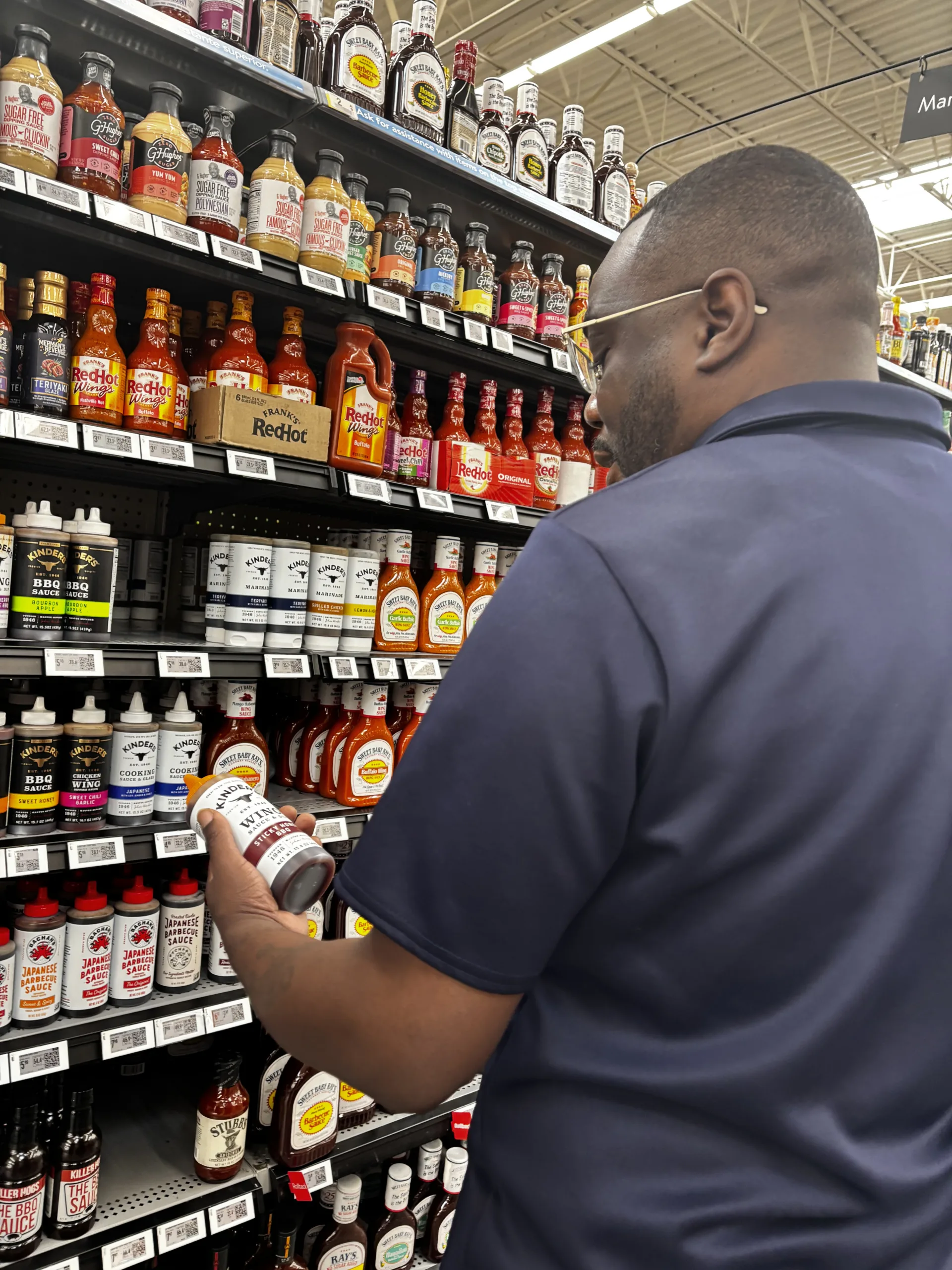
The richest insights often arrive where you least expect them. In a recent tailgating ethnography with McCormick, we blended traditional observation with AI-assisted analysis to understand how flavor really shows up in social, celebratory moments proving that qualitative depth and modern tools make each other stronger.


Frequently Asked Questions
A qualitative methodology in which researchers observe and interview people in their real-world environment to uncover the unspoken behaviors, motivations, and needs that surveys and focus groups often miss.
Use ethnography when what people do matters more than what they say, when context shapes behavior, or when you’re exploring an experience people can’t easily articulate in a conference room. Use focus groups when you need reactions, language, or a fast directional read on concepts.
A focused ethnography typically runs four to eight weeks from kickoff to readout, depending on the number of participants, locations, and depth of fieldwork.
Most studies involve roughly 8 to 20 participants. Depth per participant matters more than sample size, because the goal is rich understanding rather than statistical projection.
A synthesized insights report, edited video and photography, behavioral frameworks or journey maps, and a set of prioritized implications and recommendations.
Curious what your customers would show you?
Let’s talk about whether ethnography is the right lens for your next brand or product decision. We’ll help you see the world through your customer’s eyes.
Start a conversation