What Customers Don’t Tell You: The Power of Ethnographic Research

Organizations spend significant time and resources trying to understand their customers. They conduct surveys, run focus groups, analyze data, and monitor key performance metrics.
Yet some of the most valuable insights never show up in a survey response.
Why?
Because customers don’t always know how to explain what they do, why they do it, or what’s influencing their decisions in the moment. And some of the greatest opportunities for growth and innovation exist in behaviors customers don’t even recognize as significant.
That’s where ethnography comes in.
Ethnographic research takes organizations beyond what customers say and into how they live, shop, work, choose, and experience. By observing people in real-world environments, researchers uncover behaviors, motivations, frustrations, and unmet needs that traditional research methods often miss.
But the real value isn’t simply seeing what customers do. It’s understanding what those behaviors mean for the business.
The Gap Between What People Say and What They Do
Most customer research relies, at least in part, on recall.
We ask people to explain how they make decisions, use products, or navigate experiences. The challenge is that much of human behavior is automatic, emotional, and influenced by circumstances we rarely think to mention.
Ask someone how they choose a healthcare provider, prepare dinner, shop for a product, or manage a home improvement project. They’ll provide an answer.
Observe them in real time, and you may discover an entirely different story.
Customers may describe convenience as their top priority, yet consistently choose a more complicated experience because it gives them a greater sense of control. They may express satisfaction with a product while quietly developing workarounds to compensate for its shortcomings.
These aren’t necessarily contradictions. They’re clues.
The gap between reported behavior and observed behavior is often where significant opportunities for growth, innovation, and differentiation live.
The Most Valuable Opportunities Are Often Hiding in Plain Sight
One of ethnography’s greatest strengths is its ability to reveal needs customers haven’t articulated.
People adapt to inconveniences. They develop routines around limitations. They find ways to make imperfect products and experiences work for them.
Over time, these behaviors become so familiar that customers stop noticing them.
But what customers accept as normal may represent a meaningful opportunity for a business willing to look more closely.
A workaround might suggest a new product feature. A moment of hesitation might reveal an unmet emotional need. An unexpected behavior might challenge a company’s assumptions about why customers choose its brand.
The opportunity isn’t always to give customers what they ask for. Sometimes it’s to solve a problem they haven’t thought to mention.
Ethnography in Action
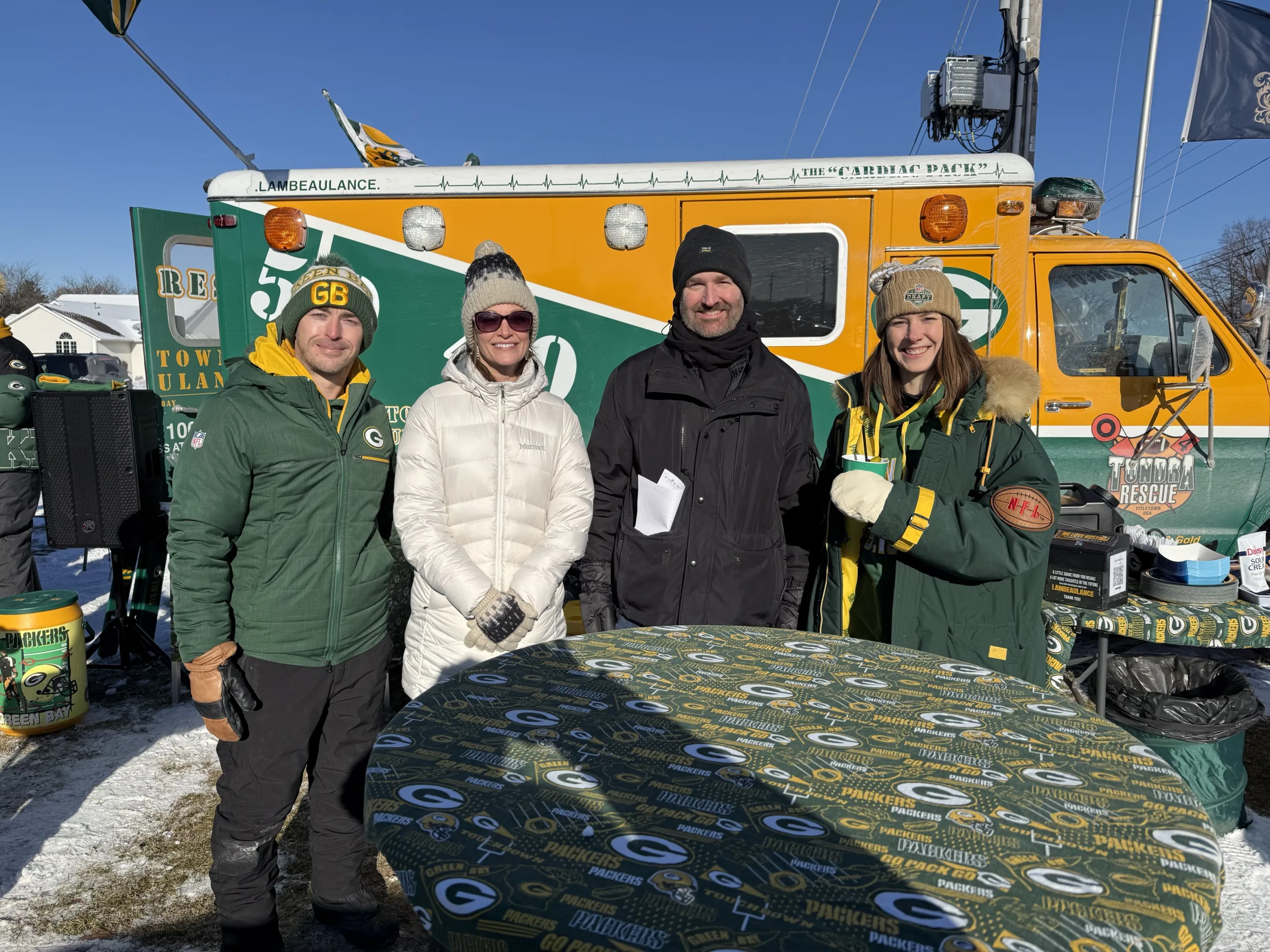
Some of the most valuable insights emerge when and where you least expect them. In a recent tailgating ethnography conducted with McCormick, we combined traditional observation with AI-assisted analysis to explore how flavor shapes social and celebratory experiences, demonstrating how qualitative depth and modern technology can work hand in hand.
When Ethnography Creates the Most Value
Ethnography can support a wide range of business questions, but it is particularly valuable in situations where context and behavior matter as much as stated attitudes.
When context shapes decisions. Customer choices rarely happen in isolation. Family dynamics, physical environments, competing priorities, social influences, and time constraints all affect behavior. Ethnography helps organizations understand these forces rather than treating decisions as purely individual preferences.
When experiences are difficult to explain. Many behaviors become automatic through repetition. Customers rarely think about every step in a familiar routine, making those moments difficult to reconstruct in an interview. Observation can reveal friction, inefficiency, and unexpected behaviors that customers themselves may not recognize.
When innovation is the goal. Some of the most promising innovation opportunities emerge from watching customers adapt, improvise, or create their own solutions to everyday problems. Today’s workaround may point toward tomorrow’s product enhancement, service improvement, or entirely new offering.
When organizations need to build customer empathy. Data can inform decisions. Seeing customers navigate challenges firsthand creates a different level of understanding. Ethnographic research can help leadership teams, marketers, product developers, and customer experience professionals move beyond internal assumptions and see the world through their customers’ eyes.
Observation Alone Isn’t Insight
There’s an important distinction between observing something interesting and identifying something strategically meaningful.
A customer behavior might be surprising without being particularly consequential. An isolated frustration might be memorable without representing a broader market opportunity.
Effective ethnography requires more than watching and documenting. It requires a clear understanding of the business questions at hand, thoughtful interpretation of what researchers observe, and the ability to connect individual behaviors to larger patterns and opportunities.
At Finch Brands, we approach ethnography with that end in mind.
We begin with the decisions our clients need to make, immerse ourselves in the environments where customer experiences actually happen, and translate what we learn into insights that can shape strategy, innovation, and growth.
The objective isn’t simply a richer understanding of customers. It’s a clearer understanding of what the organization should do differently as a result.
The Most Important Insights Often Go Unspoken
Customers won’t always tell you what’s frustrating them.
They won’t always recognize inefficiencies in their routines.
And they won’t always articulate unmet needs.
But their behaviors often reveal all three.
Sometimes the insight that changes a strategy, inspires a new product, or transforms a customer experience isn’t found in a survey response.
It’s found in a hesitation. A routine. A workaround. A moment most organizations never see.
The difference between observation and opportunity is knowing what to look for — and what to do with what you find.
Finch Brands helps organizations uncover these moments and translate them into stronger strategies, smarter innovation, and meaningful business impact.
Learn more about Finch Brands’ Ethnographic Research services.